
— Our Commitment
Sustainability is
Our Reason for Being
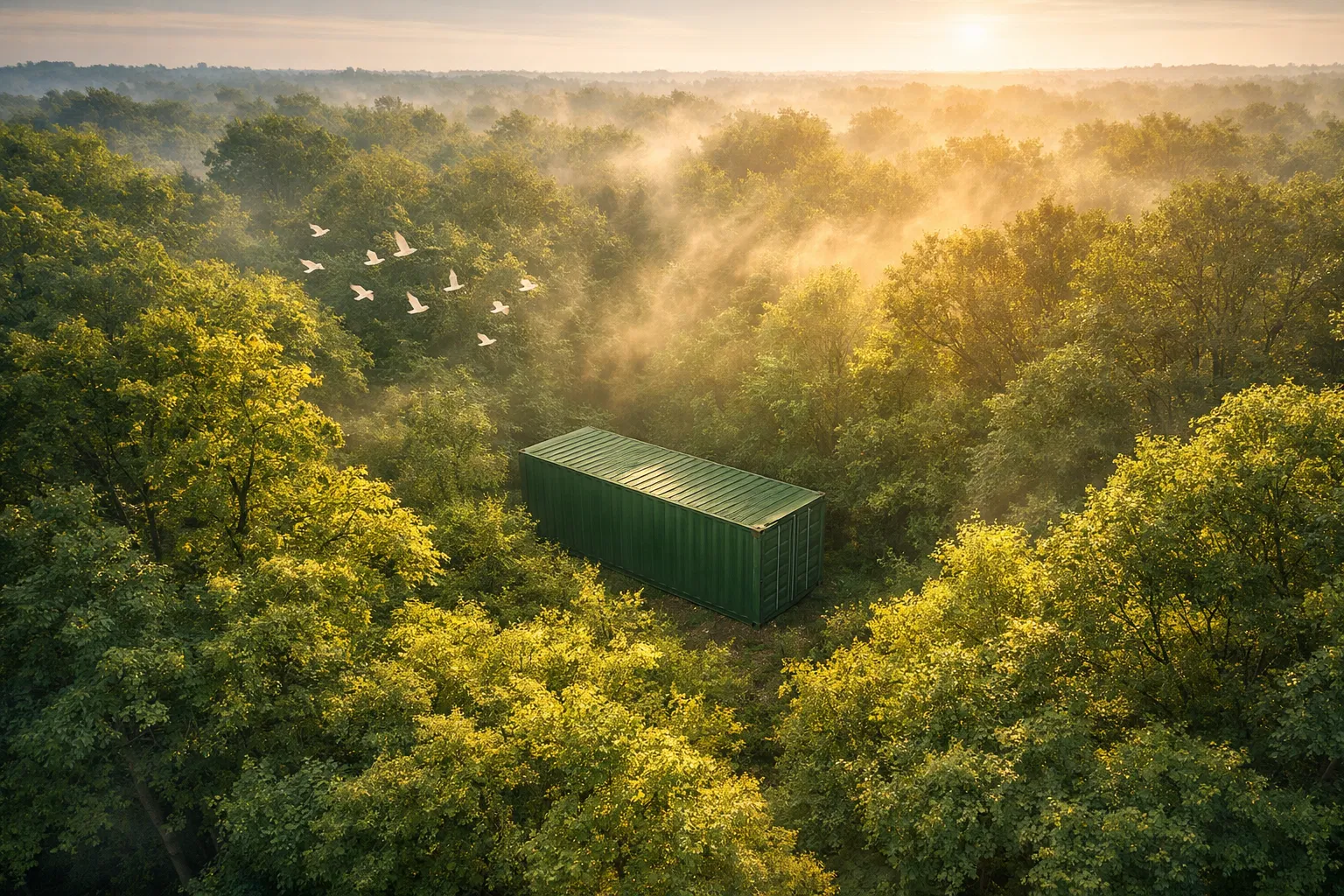
We didn't add sustainability to our business. We built the business around sustainability. Every decision — from sourcing to shipping — is made with environmental impact as the primary consideration.
steel diverted from landfill per container
CO₂ equivalent saved per container
of new paint used — all original finishes preserved
of wood sourced from certified reclaimed sources
— Our Principles
Four Pillars of
Responsible Making
Circular by Design
Every piece of furniture we create is designed to be disassembled at end-of-life. The steel can be recycled, the wood composted or repurposed. We design for the next lifecycle, not just the current one.
Zero Raw Materials
We use no new raw materials in our furniture. Every steel component comes from a retired container. Every wooden element is reclaimed from demolition sites, old boats, or certified salvage operations.
Local Craftsmanship
All furniture is made in our Rotterdam workshop by local craftspeople. We pay living wages, provide training, and invest in our team's skills. Sustainability includes the people who make the work possible.
Traceable Origins
Every piece ships with a Certificate of Origin. You can trace your furniture back to the specific container it came from, including its shipping history, the ports it visited, and the craftsperson who made it.
— The Numbers
E-Reuse vs.
Traditional Furniture
| Phase | Traditional Manufacturing | E-Reuse | Saving |
|---|---|---|---|
| Manufacturing | ~850 kg CO₂ per chair | ~45 kg CO₂ per chair | 95% reduction |
| Material Extraction | Virgin steel mining + forestry | Zero — all materials reclaimed | 100% avoided |
| Transport | Global supply chain | Local sourcing + carbon-neutral freight | ~80% reduction |
| End of Life | Landfill or incineration | Designed for disassembly + recycling | Near-zero waste |
— Why Red Coral
The Red Coral of
the Portuguese Coast
Our name—Red Coral—honors the ancient deep-sea corals found along Portugal's Atlantic coast. Despite being hidden in the darkness of the deep ocean, these remarkable organisms face severe and escalating dangers. They are among the most vulnerable ecosystems on Earth, and their survival depends on urgent action and awareness.
Bottom Trawling
The most direct threat to deep-sea corals. Large nets sweeping the seabed can destroy colonies in seconds that took 500 years to grow. This industrial fishing practice devastates entire ecosystems in moments.
Marine Litter
Researchers have recently detected corals off the coast of Cascais that have physically incorporated fishing nets and lines into their skeletons—an alarming sign of pollution. Corals are literally absorbing human waste into their structure.
Climate Change
Rising water temperatures and ocean acidification make it harder for corals to build their rigid skeletons, leaving them increasingly fragile. Warmer waters stress coral physiology and slow growth rates dramatically.
Our Mission: Every purchase from Red Coral supports marine research, ocean conservation, and education initiatives that protect these irreplaceable ecosystems. By choosing furniture made from recycled containers, you're choosing to reduce ocean pollution and support the future of our marine heritage.
— Verified Standards
Our Certifications
FSC Reclaimed
All wood components certified by the Forest Stewardship Council
ISO 14001
Environmental management system certified
B Corp Pending
Currently undergoing B Corporation certification
Carbon Neutral Freight
All European deliveries offset through verified carbon projects